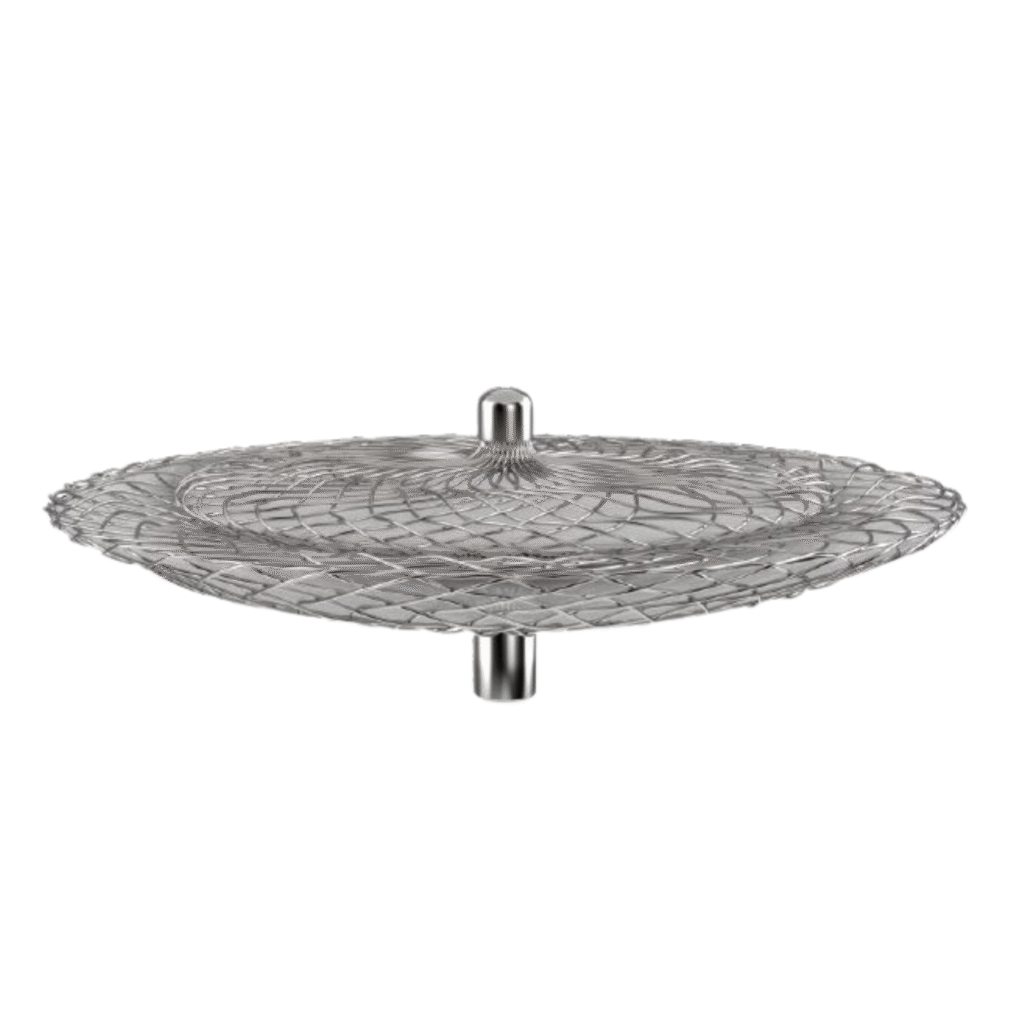
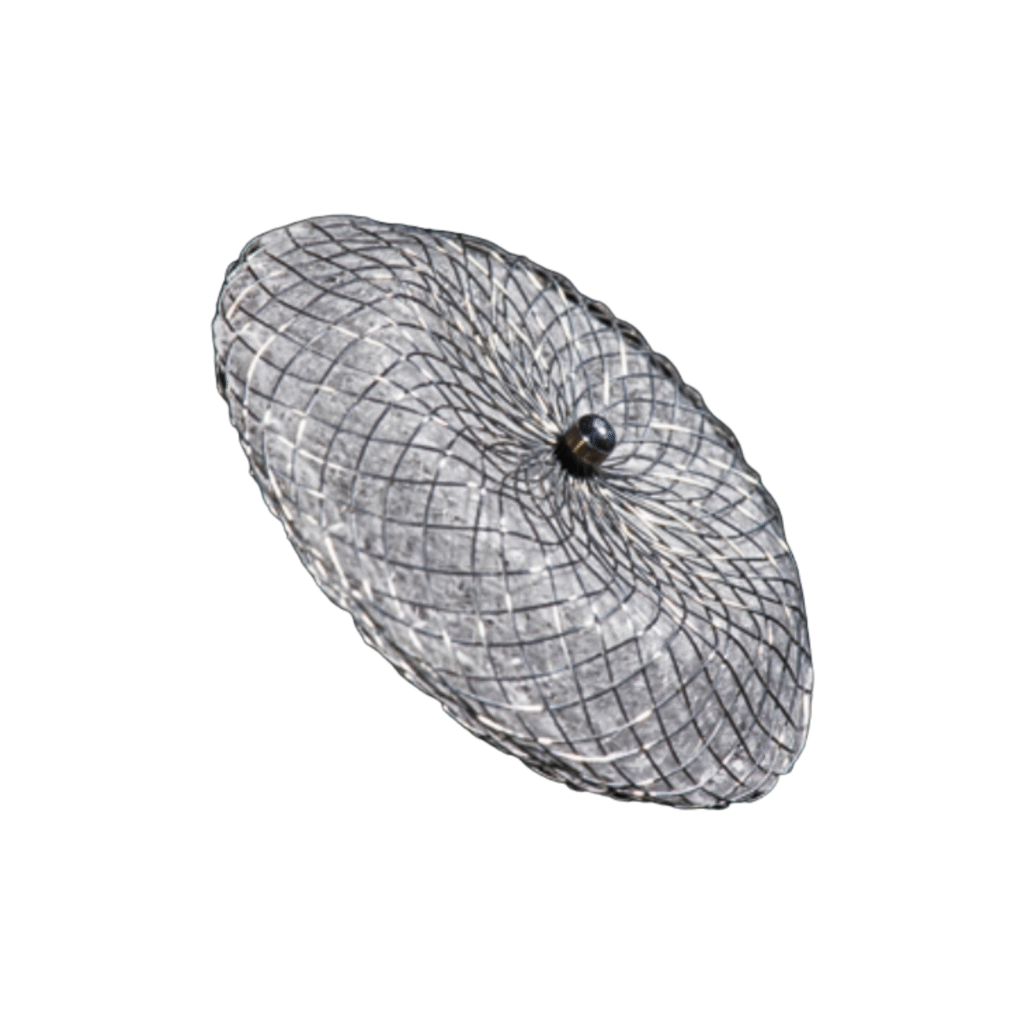
The Hydra THV, developed by Sahajanand Medical Technologies (SMT) and manufactured by Vascular Innovations Co., Ltd., is a next-generation self-expanding TAVI device tailored for symptomatic severe aortic stenosis in high-risk patients. Its nitinol frame is engineered with graduated radial strength—low at the outflow for aortic conformability, high at the mid-frame to preserve circular geometry, and high at the inflow to secure anchoring at the annulus. The system is recapturable and repositionable, aided by dual marker rows (Node 1 for implantation depth, Node 3 for leaflet deployment), enhancing procedural accuracy.
The valve uses single bovine pericardium leaflets positioned supra-annularly and treated with proprietary anti-calcification methods to maximize effective orifice area (EOA) and minimize transvalvular gradients, resulting in superior hemodynamic performance. The open-cell stent frame facilitates coronary access, while the non-flared inflow minimizes conduction system interference.
Clinical data from the Hydra CE Study (n=157) demonstrated single-digit valve gradients and large EOA up to 1-year, with acceptable rates of pacemaker implantation and paravalvular leak. Additional 30-day outcomes from the GENESIS-II Study confirmed outstanding safety and efficacy, with 2.5% cardiovascular mortality, 95% device success, and notable NYHA functional improvement.
Nitinol stent frame with zonal radial strength: conformable outflow, stable mid-frame, secure inflow
Recapturable and repositionable deployment with two marker rows (Node 1 & Node 3)
Single bovine pericardium supra-annular leaflets with anti-calcification treatment
Open-cell design ensures easy coronary access; non-flared inflow reduces conduction interference
Available in 22 mm, 26 mm, and 30 mm
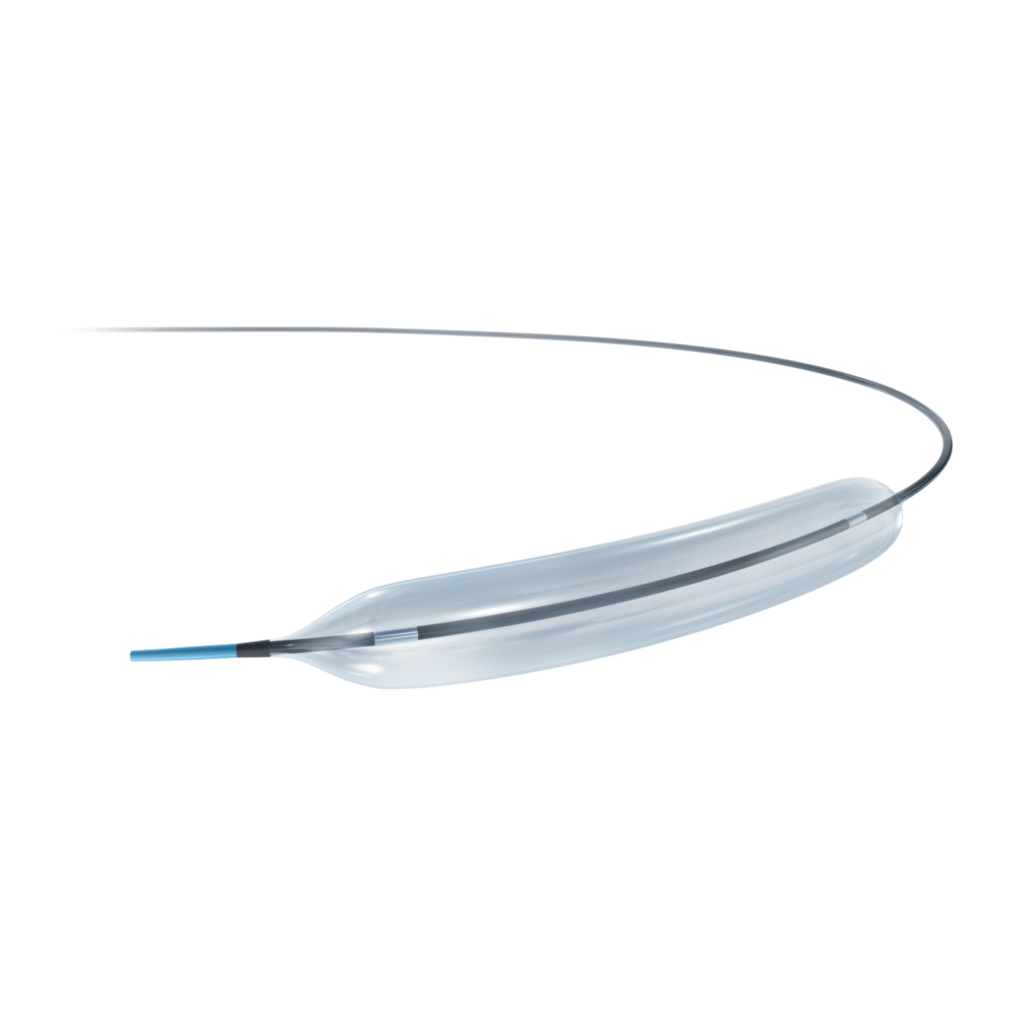
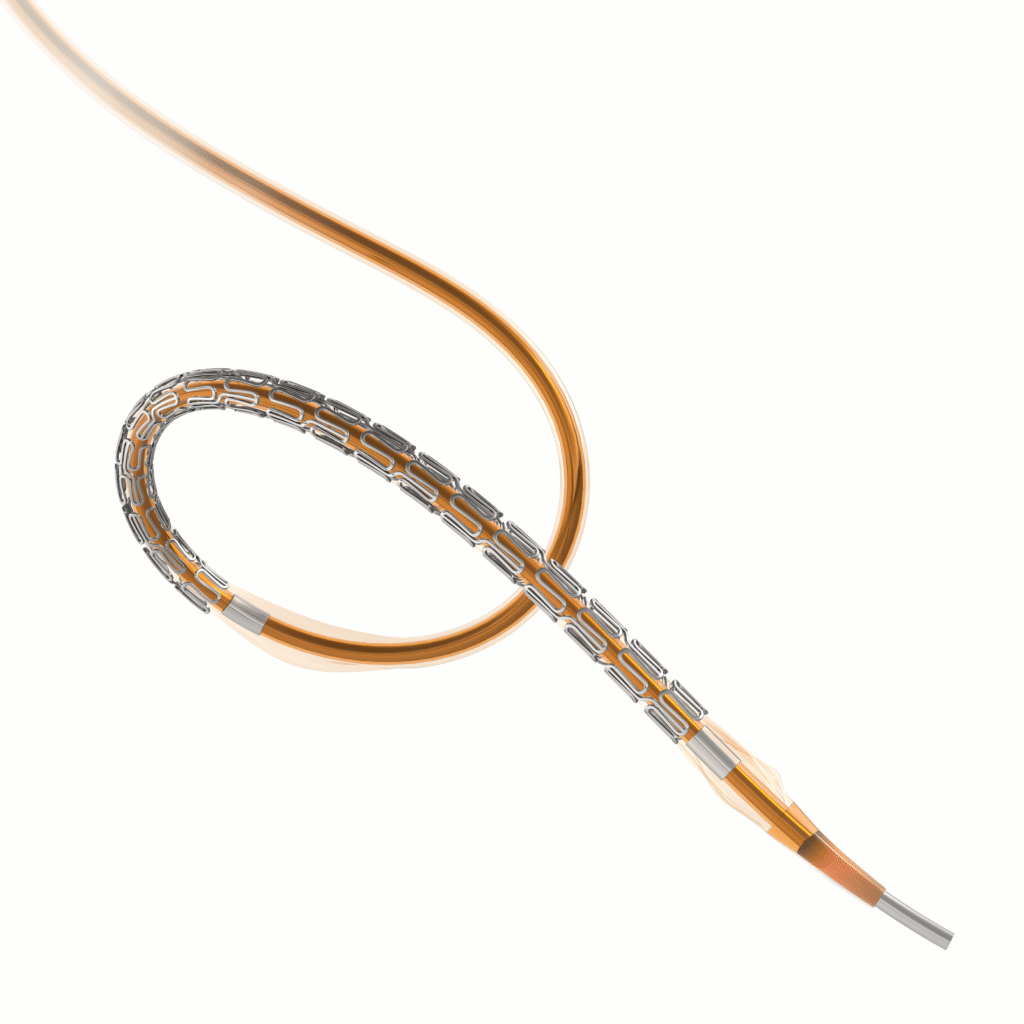
Delivered via a 14F integrated sheath for 22 mm and 26 mm sizes, compatible with transfemoral access—even in complex anatomies

Case Example: