Cocoon VSD Occluder

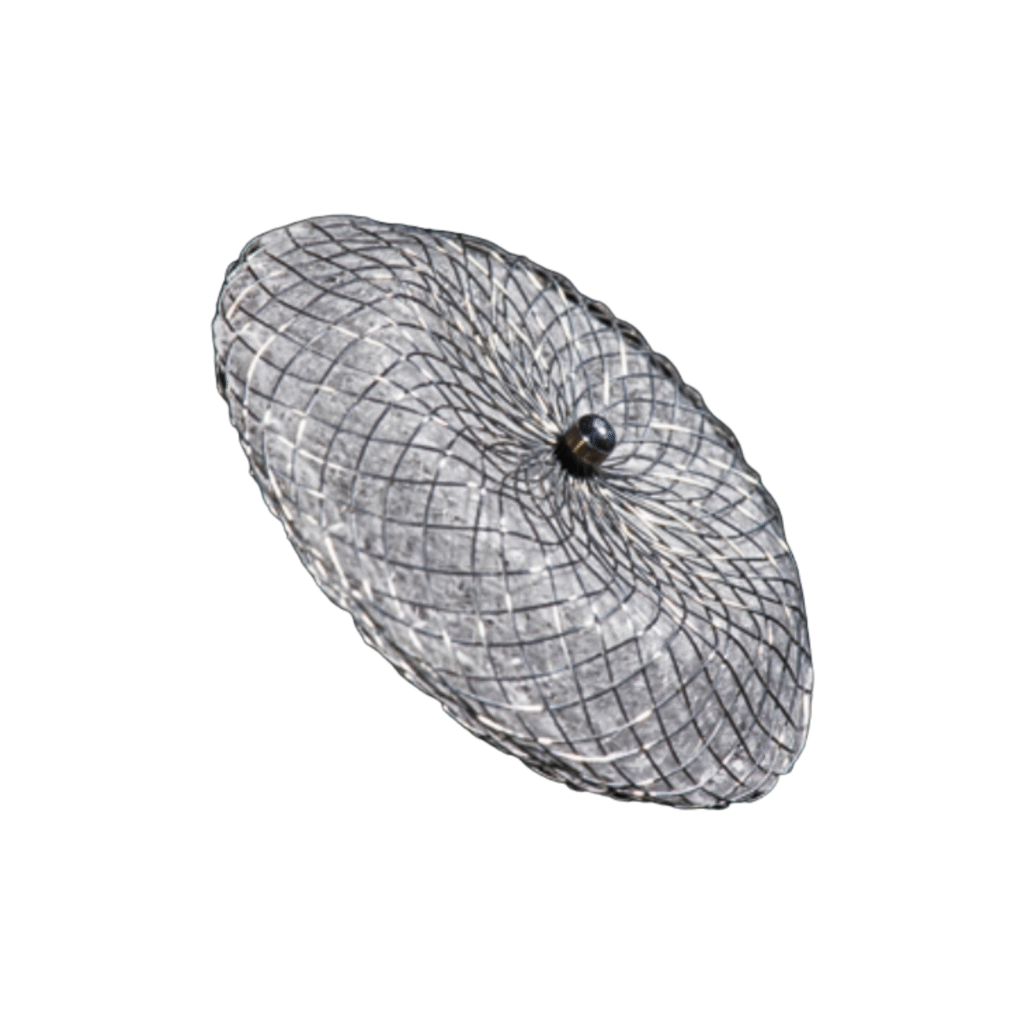
The Cocoon VSD Occluder is a self-expanding, double-disc device for transcatheter closure of ventricular septal defects (VSD). Its platinum nanocoating ensures biocompatibility and enhanced radiopacity, while multiple waist lengths (4, 7, 10 mm) accommodate diverse defect types. With polypropylene fabric for thrombogenicity, it supports recapture and redeployment for precise placement.

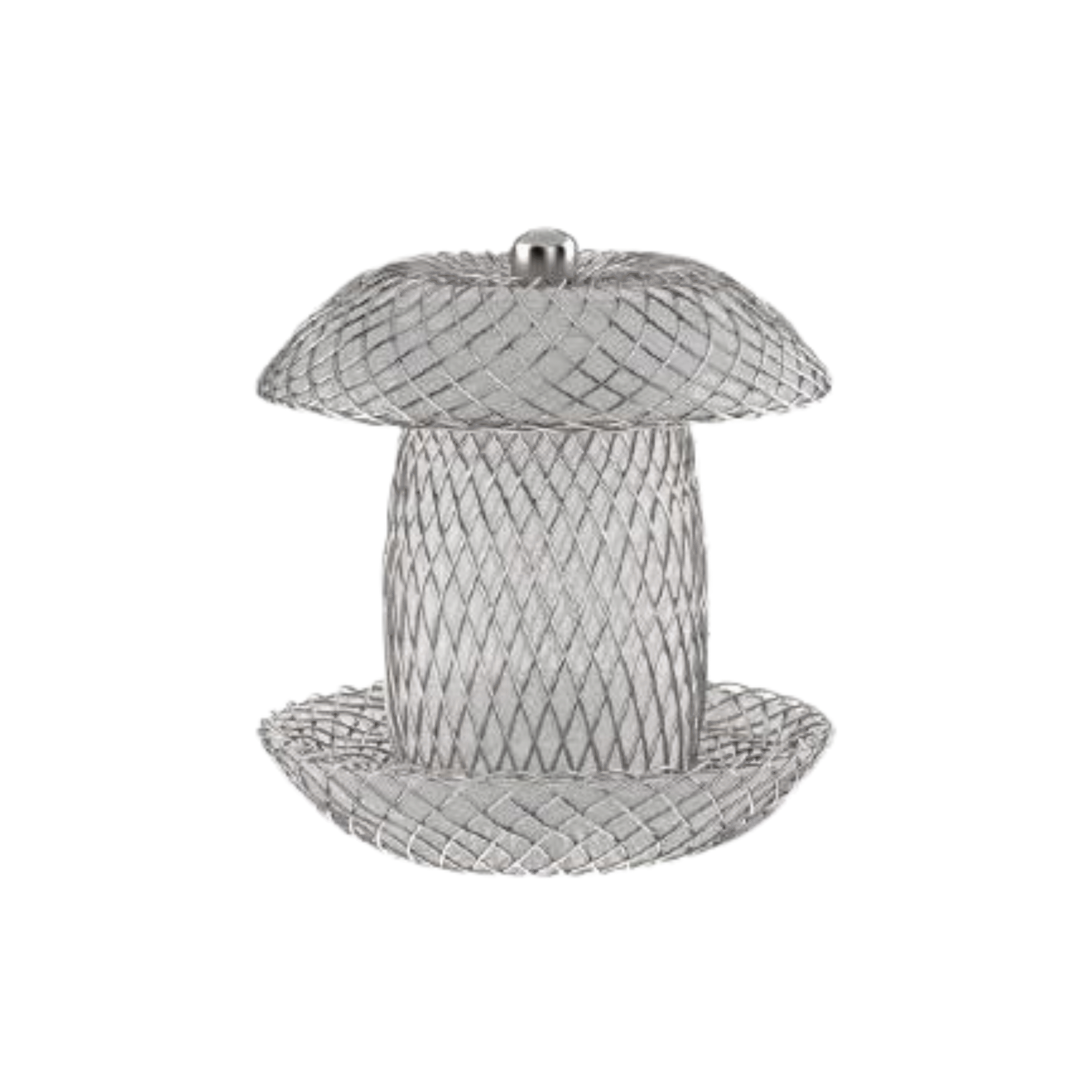
The Cocoon VSD Occluder, developed by Sahajanand Medical Technologies (SMT) and manufactured by Vascular Innovations Co., Ltd., is an advanced self-expanding, double-disc device engineered for the transcatheter closure of ventricular septal defects (VSD), addressing both membranous and muscular defects in congenital or acquired heart conditions. Constructed from nitinol wire with a platinum nanocoating applied via nanofusion plasma deposition, it offers biocompatibility, corrosion resistance, non-allergic properties, and superior radiopacity, ensuring precise fluoroscopic deployment. Preclinical studies in swine models demonstrate complete defect closure by day 30, with effective tissue incorporation.

Material & Design

  • Nitinol wire frame with ultrathin platinum nanocoating to minimize nickel leaching and enhance visibility
  • Double-disc design filled with polypropylene fabric to promote rapid thrombogenicity and effective closure
  • Available in 4 mm, 7 mm, and 10 mm waist lengths to match varying septal thicknesses and VSD types
  • Recapturable and redeployable (with secure delivery cable connection) for accurate procedural positioning

Size Range and Delivery

  • 15 SKUs with waist diameters (3.25–12 mm), disc diameters (10–18 mm), and waist lengths (4, 7, 10 mm) for VSD sizes from 2 mm to 11 mm
  • Compatible with 6F or 7F sheaths (83 cm usable length), 89 cm dilators, and 9 cm loaders
  • Delivery system includes a 0.030″ diameter, 140 cm delivery cable and a sheath (0.055″ inner diameter, 0.079″ outer diameter, 125 cm length)
  • Preclinical echo images confirm complete defect closure from day 1 to day 30, with explants showing tissue integration


Related products