Cocoon Duct Occluder

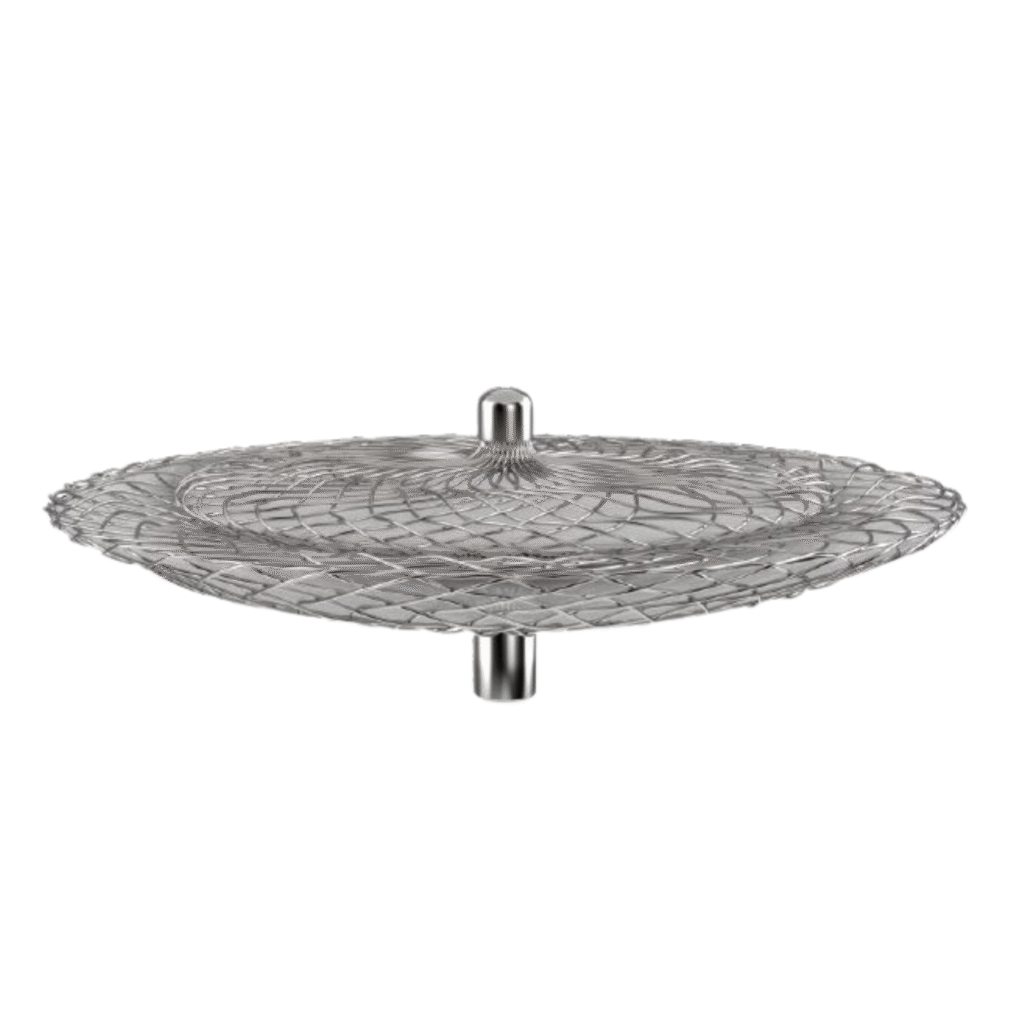
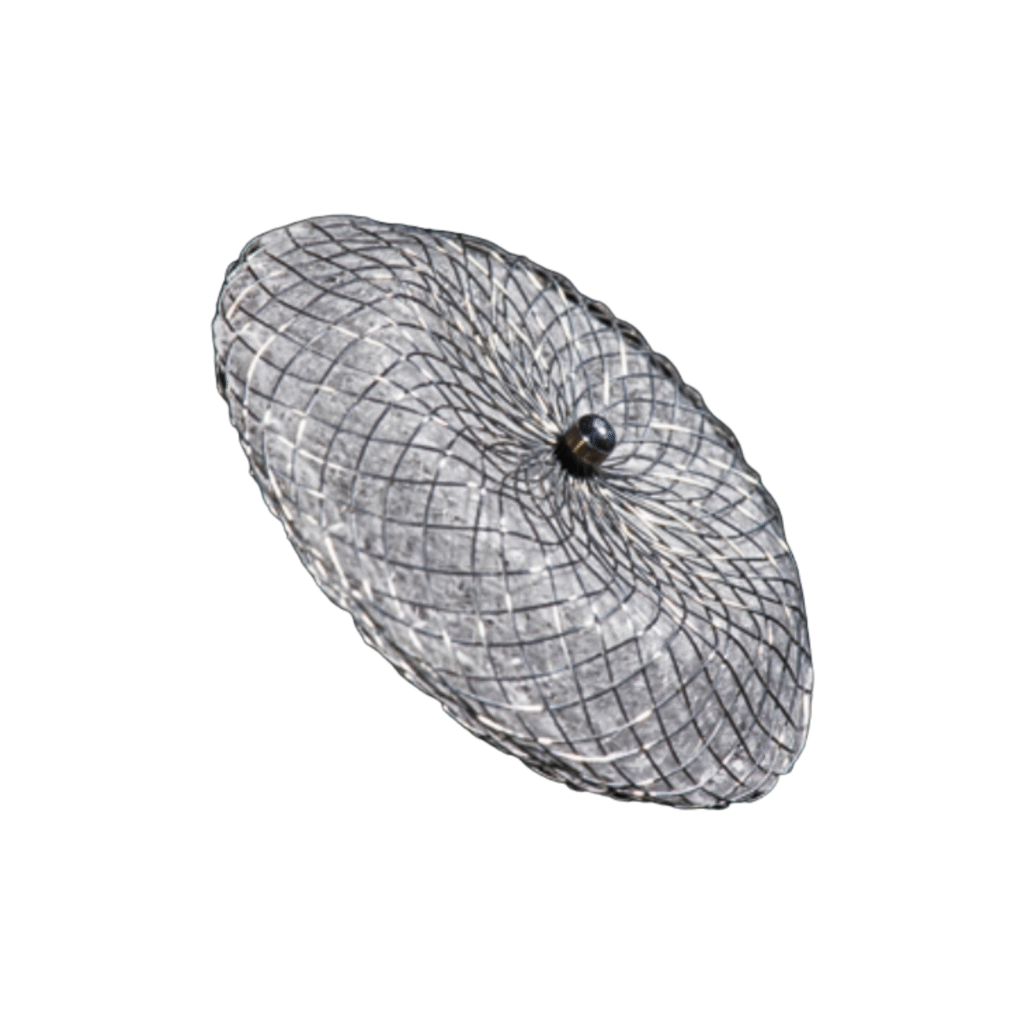
The Cocoon Duct Occluder is a self-expanding, hat-shaped device for transcatheter closure of patent ductus arteriosus (PDA). Its platinum nanocoating enhances biocompatibility and radiopacity, while polypropylene fabric ensures rapid thrombogenicity, achieving complete occlusion at one-month follow-up. With eight size options and 6F–9F sheath compatibility, it offers versatile deployment and recapture capabilities.

The Cocoon Duct Occluder, developed by Sahajanand Medical Technologies (SMT) and manufactured by Vascular Innovations Co., Ltd., is a sophisticated device engineered for the transcatheter closure of patent ductus arteriosus (PDA), addressing a congenital heart defect where the ductus arteriosus remains open post-birth. Its unique hat-shaped design with an extended retention portion ensures secure positioning at the aorta, minimizing migration risks into the pulmonary artery. The nitinol wire frame, coated with platinum via nanofusion plasma deposition, provides superior biocompatibility, corrosion resistance, and radiopacity for precise fluoroscopic placement.

Material & Design

  • Nitinol wire frame with ultrathin platinum nanocoating, applied via plasma deposition, for biocompatibility and enhanced visibility
  • Hat-shaped design with extended retention skirt for secure aortic implantation and reduced migration risk
  • Filled with polypropylene fabric to promote rapid thrombogenicity and effective defect closure
  • Recapturable and redeployable (with secure delivery cable connection) for accurate procedural positioning


Size Range and Delivery

  • Eight sizes with retention skirt diameters (10–26 mm), descending aorta diameters (6–20 mm), pulmonary artery diameters (4–18 mm), and device lengths (7–8 mm)
  • Compatible with 6F–9F sheaths (83 cm usable length), 89 cm dilators, and 10–12 cm loaders
  • Delivery system includes 5F (0.043″, 125 cm) or 6F (0.077″, 117 cm) delivery cables
  • Preclinical studies show well-encapsulated device integration at seven days; clinical data confirm 100% occlusion rate at one-month follow-up


Related products